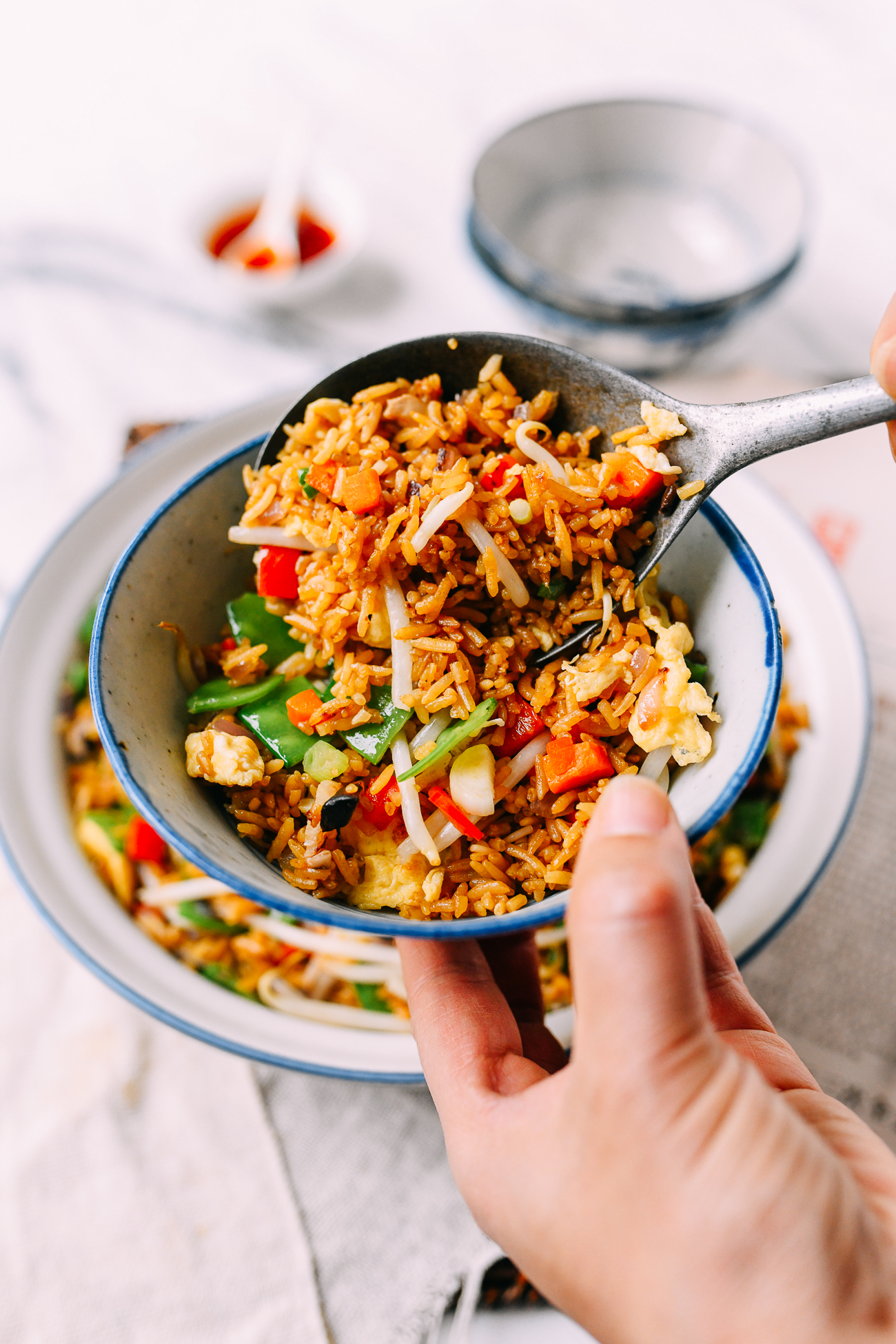
Homemade Very Veggie Fried Rice: Unlocking a Taste That Truly Beats Takeout
There’s an unparalleled comfort in a steaming bowl of fried rice, a dish that dances between a quick weeknight meal and a celebratory feast. While takeout versions have their place, nothing quite compares to the vibrant flavors and wholesome goodness of homemade very veggie fried rice. Imagine a symphony of crisp-tender vegetables, perfectly seasoned fluffy rice, and aromatic spices, all sizzling together in your own kitchen. This isn't just about cooking; it's about crafting an irresistibly satisfying dish that's healthier, fresher, and undeniably more delicious than anything you'd get from a restaurant. Forget soggy, greasy imitations – we're about to dive into making a "very veggie fried rice" that will revolutionize your comfort food cravings.The Undeniable Appeal of Homemade Very Veggie Fried Rice: Why It Reigns Supreme
Why bother making fried rice at home when a myriad of options are just a phone call away? The answer lies in the profound control and quality you gain. Our homemade very veggie fried rice isn't just a meal; it's an experience built on freshness, flavor, and flexibility. * Unrivaled Freshness & Quality: When you make it yourself, you dictate every ingredient. This means choosing the freshest, most colorful vegetables from your local market, opting for low-sodium soy sauce, and using high-quality oils. No questionable additives, no excessive oil, just pure, wholesome goodness. * Tailored to Perfection: Dietary preferences or allergies? No problem. Homemade very veggie fried rice is incredibly adaptable. Make it gluten-free with tamari, vegan by omitting eggs, or load it up with your favorite protein. You control the salt, the spice, and the precise medley of vegetables, ensuring every bite is exactly how you like it. * Beyond Basic Flavor: Takeout fried rice often relies on a generic, heavy sauce. Our recipe, however, layers flavors with fragrant garlic, optional fresh ginger, and the perfect balance of soy and sesame oil, creating a depth that is both comforting and exhilarating. The fresh snap of perfectly cooked vegetables adds a textural contrast that takeout often misses. * Budget-Friendly & Waste-Reducing: This dish is a true champion of the kitchen, transforming humble leftovers – especially day-old rice – into something extraordinary. It’s an economical way to utilize those veggies in your crisper drawer and save money compared to frequent takeout orders. For more ideas on how to make the most of your pantry, check out our guide on Transform Leftovers: Easy Veggie Fried Rice Recipe Guide. * Quick & Convenient: Don't let the "homemade" tag fool you; this dish comes together remarkably fast. With a bit of prep, you can have a steaming bowl of this delightful "very veggie fried rice" on the table in under 30 minutes, making it a perfect solution for busy weeknights. If speed is your priority, you'll love our article Quick & Easy Veggie Fried Rice: Your 30-Minute Comfort Meal.Essential Ingredients for a Truly "Very Veggie" Fried Rice Masterpiece
The beauty of very veggie fried rice lies in its simplicity, relying on a few key ingredients that, when combined, create a symphony of flavor. Precision in selecting and preparing these components is what elevates your dish from good to absolutely glorious.The Core Foundation:
- Cooked Day-Old Rice: This is non-negotiable for achieving that ideal fried rice texture. Freshly cooked rice has too much moisture, leading to a mushy, clumpy mess. Day-old (or even two-day-old) rice dries out slightly, allowing the grains to separate beautifully and absorb the seasonings without clumping. Long-grain varieties like jasmine or basmati work best.
- A Colorful Medley of Fresh Vegetables: This is where the "very veggie" really shines! Think beyond just peas and carrots. A vibrant mix is key for both flavor and nutrition.
- Carrots: Finely diced for sweetness and a pop of orange.
- Peas: Adds a touch of sweetness and classic fried rice appeal.
- Bell Peppers: Red, yellow, or orange for bright color and mild sweetness.
- Corn: A subtle pop of natural sweetness and texture.
- Broccoli Florets (small): For a hearty green addition and earthy flavor.
- Snap Peas or Green Beans: Adds a lovely crunch.
- Mushrooms: Umami depth and a satisfying texture.
- Fresh Garlic: Minced finely, garlic is the aromatic backbone of any good fried rice, infusing the dish with its pungent, savory fragrance. Don't skimp here!
- Green Onions (Scallions): Both the white and green parts are used. The white parts can be sautéed with other aromatics for a mild onion flavor, while the green tops are typically stirred in at the very end or used as a garnish for a fresh, slightly pungent finish.
- Soy Sauce: The quintessential seasoning for fried rice, providing a salty, umami depth. Low-sodium soy sauce is a fantastic choice, allowing you to control the saltiness without sacrificing flavor. Consider a splash of dark soy sauce for a deeper color and richer, slightly sweeter flavor profile.
- Toasted Sesame Oil: A powerful finishing oil that adds that distinctive nutty aroma and depth characteristic of Asian cuisine. A little goes a very long way; it's best added towards the end of cooking to preserve its delicate flavor.
Optional Flavor Boosters & Proteins:
- Fresh Ginger: Grated ginger adds a wonderful warm, zesty brightness that complements the garlic beautifully.
- Eggs: Scrambled and folded into the rice, eggs provide extra protein and a lovely silkiness. You can cook them separately and add them at the end, or push the vegetables aside and scramble them directly in the pan.
- Toasted Sesame Seeds: Sprinkled on top just before serving, they add a delightful crunch and an extra layer of nutty flavor.
- Other Proteins: Diced cooked chicken, shrimp, tofu, or edamame can easily be incorporated for a more substantial meal.
A Step-by-Step Guide to Crafting Your Perfect Very Veggie Fried Rice
Making very veggie fried rice is less about complex techniques and more about timing and temperature. Here’s how to achieve that coveted takeout-quality taste and texture right at home.1. The Prep is Paramount (Mise en Place):
Before you even think about turning on the stove, ensure all your ingredients are prepped and ready. Chop all vegetables uniformly, mince garlic and ginger, measure out your sauces, and have your day-old rice broken up and ready to go. This "mise en place" is crucial for stir-frying, as the cooking process is very quick.
2. Heat Your Wok or Skillet:
In a large wok or a heavy-bottomed skillet (cast iron or stainless steel works well), heat 1-2 tablespoons of a neutral, high smoke point oil (like canola, vegetable, or grapeseed oil) over medium-high heat. You want it shimmering, almost smoking, which is essential for proper stir-frying and creating that authentic "wok hei" flavor.
3. Sauté the Aromatics:
Add the minced garlic and grated ginger (if using) to the hot oil. Stir-fry for about 30 seconds until intensely fragrant but not browned. Watch them carefully, as they can burn quickly.
4. Cook the Vegetables:
Add the harder vegetables first, such as carrots and bell peppers. Stir-fry for 2-3 minutes until they start to soften slightly but retain their vibrant color and a crisp-tender bite. Then, add softer vegetables like peas and corn, cooking for another 1-2 minutes. Pro Tip: Don't overcrowd the pan. If you have a very large amount of vegetables, consider cooking them in two batches to ensure they stir-fry rather than steam.
5. Incorporate Eggs (Optional):
If adding eggs, push the cooked vegetables to one side of the pan. Pour your lightly beaten eggs into the empty space and scramble them until just set. Then, chop them into smaller pieces with your spatula and mix them with the vegetables.
6. Introduce the Day-Old Rice:
Add the prepped day-old rice to the skillet. Break up any clumps with your spatula. Stir-fry constantly for 2-3 minutes, pressing the rice against the bottom of the pan to help individual grains separate and slightly toast. This step is key for achieving that desirable fluffy, non-mushy texture.
7. Season and Finish:
Drizzle soy sauce (and dark soy if using) evenly over the rice and vegetables. Continue to stir-fry for another 1-2 minutes, ensuring all the rice is thoroughly coated and heated through. Add a splash of toasted sesame oil at this stage, stirring it in briefly. Finally, stir in the chopped green onion tops. Taste and adjust seasoning as needed – a pinch more soy sauce or a dash of black pepper can make a big difference.
